
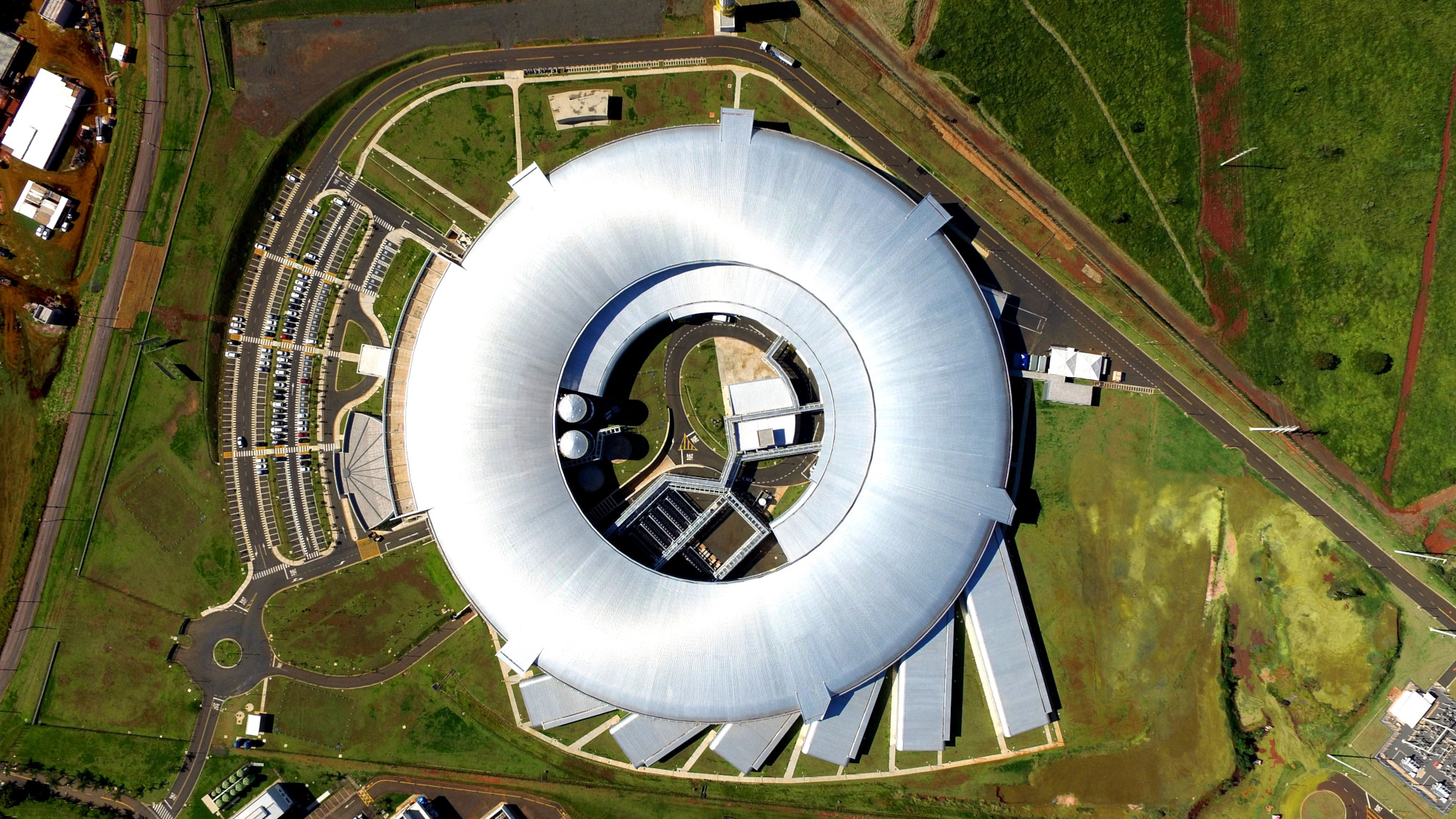
Sirius, a nova fonte de luz síncrotron brasileira, é a maior e mais complexa infraestrutura científica já construída no País. Este equipamento de grande porte usa aceleradores de partículas para produzir um tipo especial de luz, chamada, luz síncrotron. Essa luz é utilizada para investigar a composição e a estrutura da matéria em suas mais variadas formas, com aplicações em praticamente todas as áreas do conhecimento.
Sirius é uma infraestrutura aberta, à disposição da comunidade científica brasileira e internacional, desenvolvida no Centro Nacional de Pesquisa em Energia e Materiais (CNPEM) – Organização Social supervisionada pelo Ministério da Ciência, Tecnologia e Inovações (MCTI). Sirius é financiado com recursos do MCTI e projetado por pesquisadores e engenheiros do CNPEM, em parceria com a indústria nacional.
Sirius permite que centenas de pesquisas acadêmicas e industriais sejam realizadas anualmente, por milhares de pesquisadores, contribuindo para a solução de grandes desafios científicos e tecnológicos, como novos medicamentos e tratamentos para doenças, novos fertilizantes, espécies vegetais mais resistentes e adaptáveis e novas tecnologias para agricultura, fontes renováveis de energia, entre muitas outras potenciais aplicações, com fortes impactos econômicos e sociais.
Abaixo, apresentamos um pouco dos desafios envolvidos no desenvolvimento desta infraestrutura que promete inaugurar um novo capítulo da história da ciência brasileira, trazendo benefícios para toda a sociedade.







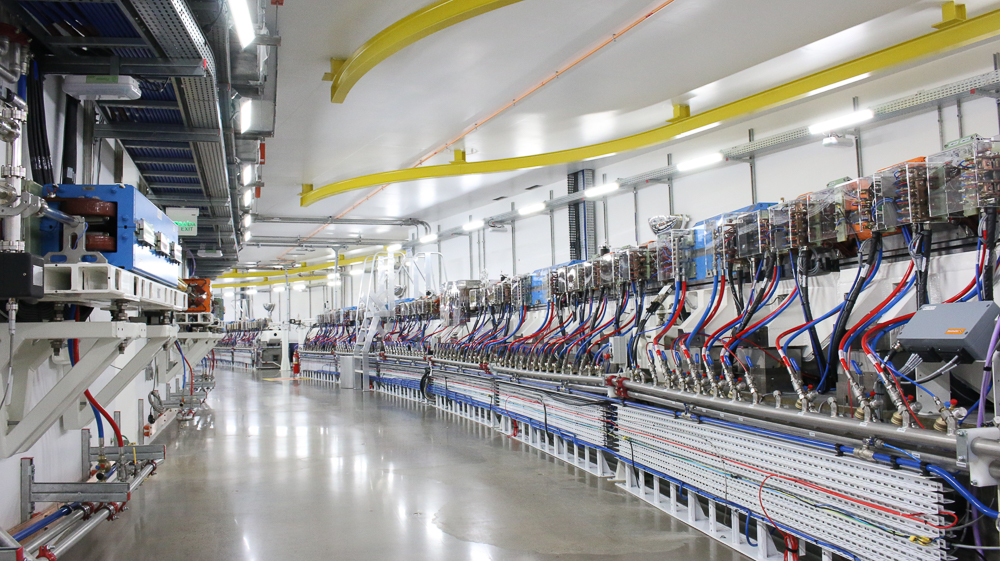
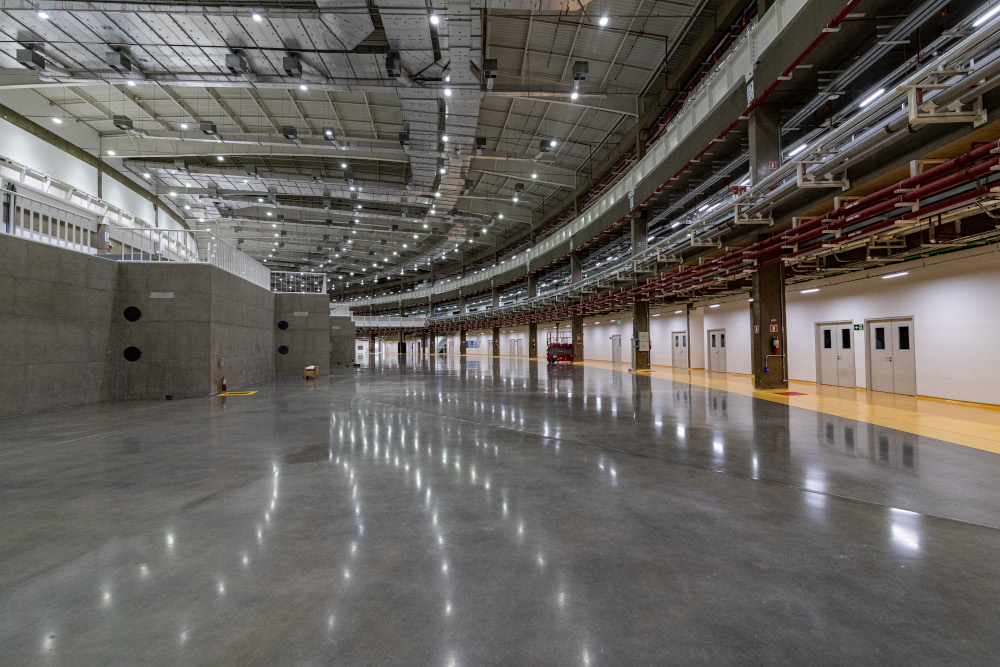
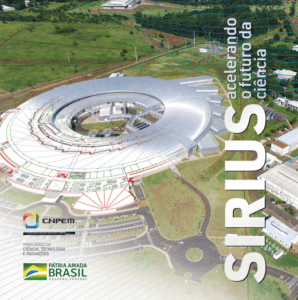
 O projeto Sirius é descrito em detalhes neste documento, incluindo a apresentação dos projetos técnico-executivos dos aceleradores, linhas de luz e obras civis, que ilustram a complexidade do projeto e seus exigentes requisitos técnicos.